Why Do Employees Resist Change?
Resistance is a natural human reaction to change. It’s an emotional and psychological response that arises when individuals face uncertainty, perceive threats, or are not fully aware of the reasons behind a change.
However, resistance should not be seen as an obstacle to be defeated. Instead, it should be treated as a signal that people are engaged and that there are concerns worth exploring. When employees resist, they’re often voicing their worries about how the change will affect them, and their feedback can be crucial in shaping the change strategy.
By identifying the root causes of resistance, you can address these challenges effectively and foster a smoother transition. Below are the key reasons why people resist change:
Lack of awareness
Exclusion from the decision-making process can cause feelings of alienation and result in employees being uninformed about the reasons for the change. Feeling blindsided or disconnected often results in a lack of ownership and, consequently, resistance. It's important to clearly explain the changes, the drivers behind it, and the risk of inaction.
You have achieved success in building awareness when employees can confidently say, "I understand the nature of the change and why this change is needed." Including employees early builds transparency, trust, and greater support for the change initiative.
Job security
Fears about job loss or compensation changes are some of the most common drivers of resistance. This can generate employee anxiety about their future. Proactive communication about how the change will impact peoples’ roles and reassurances of stability can alleviate these fears. Transparent conversations are key to building trust.
Leadership attitudes
When leaders or managers are disengaged or resistant, it sends mixed messages to employees. Poor role modeling, often driven by prior negative experiences or misaligned incentives, can cause employee resistance. Engaged and visible leadership, however, inspires confidence and mitigates passive resistance.
Most Resistant Groups
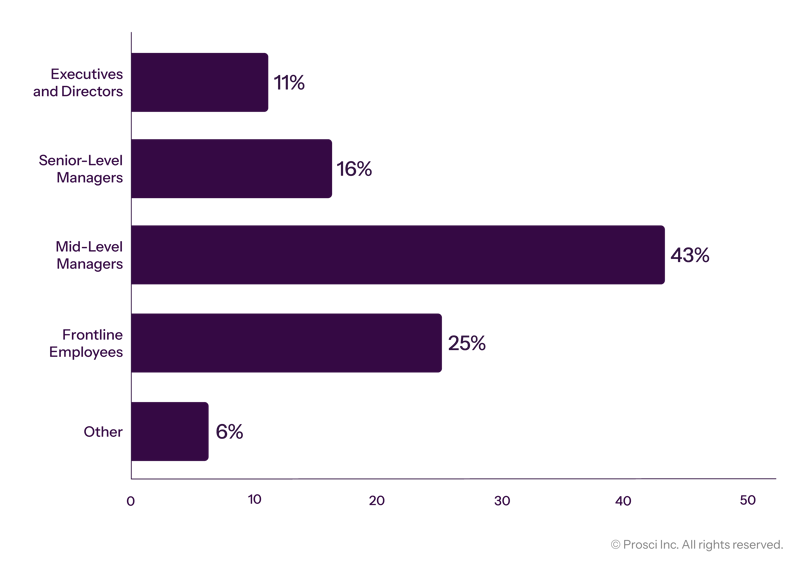
Fear of the unknown
Uncertainty about outcomes and expectations is also a common cause of anxiety. People tend to prefer familiar routines, and disruptions to their comfort zones amplify resistance. It’s important to recognize that comfort with the current state can create inertia.
Strategies to demonstrate the benefits of change and how it aligns with individual and organizational goals can remove the barriers that cause resistance.
By focusing on the people side of change and proactively addressing these concerns, organizations can turn resistance into engagement and collaboration.
Ways Employees Demonstrate Resistance to Change in the Workplace
Resistance to change often reflects underlying concerns or uncertainties rather than outright opposition. Recognizing these behaviors with empathy helps enable leaders to support employees and guide them through the transition. Here are common ways employee resistance may appear:
- Emotion – Employees may feel anxious, frustrated or uncertain, which can show up as complaints, stress or reluctance to engage. These emotions are natural when facing unfamiliar territory and can often be eased with understanding and reassurance.
- Disengagement – A decrease in enthusiasm or participation may indicate employees are feeling overwhelmed or unsure of their role in the change. Creating opportunities for them to voice their concerns can re-engage their energy.
- Work impact – Slower productivity or more frequent mistakes might result from employees feeling unprepared or unsupported. Offering training and resources can build their confidence and performance.
- Acting out – Some employees may express frustration by challenging decisions or resisting processes. Viewing these actions as opportunities to understand their perspective can move things toward collaboration.
- Negativity – Skeptical or critical attitudes often stem from a lack of clarity or trust in the process. An open, transparent communications plan can help shift these mindsets.
- Avoidance – Employees may procrastinate or avoid change-related responsibilities for a variety of reasons. These include not being aware of the need for change, not understanding the change, not supporting the change, and a fear of failure. Providing guidance, motivation and communication, and breaking tasks into manageable steps can reduce their hesitation.
- Building barriers – Those who create obstacles may be trying to protect their team or their routines. Including them in planning helps align their efforts with the organization’s goals.
- Controlling – Employees who seek to steer the process often want a sense of security. Involving them as contributors can channel their energy into positive outcomes.
By understanding these behaviors with compassion and focusing on solutions, you can create an environment where people feel supported and ready to embrace change.
Best Practices for Preventing Resistance to Change
Prosci research shows that preventing resistance to change is more effective than addressing it reactively. By approaching resistance with empathy and an open mind, leaders can turn potential roadblocks into opportunities for engagement and alignment.
After decades of research in change management, we have identified these best practices for resistance prevention:
1. Resistance-prevention planning
Most organizations that plan for resistance meet their project objectives, but the majority of those who don’t plan for it don’t hit their goals. A solid plan increases your chances of success because it allows you to proactively address resistance. During the planning stage, change teams examine organizational dynamics and previous responses to change to identify potential resistance. You can do this by conducting readiness assessments and engaging stakeholders early. Equipping team members to prevent change resistance with relevant tools and training also increases the chances of change success.
2. Raising awareness about change
Awareness of the reason behind the change is the top cause of change resistance, and it’s often a result of poor communication. Transparent and honest communication increases trust and reduces uncertainty around the coming change. Clearly explain the reasons and benefits of the change, using appropriate messengers—senior leaders for business updates and front-line supervisors for personal impacts.
3. Unifying the technical and people sides of change
If you only address the technical side of change, you’ll neglect the factors that make people engage with and adopt change. That’s why you need to align project management with change management to address both operational and human challenges.
Prosci Unified Value Proposition
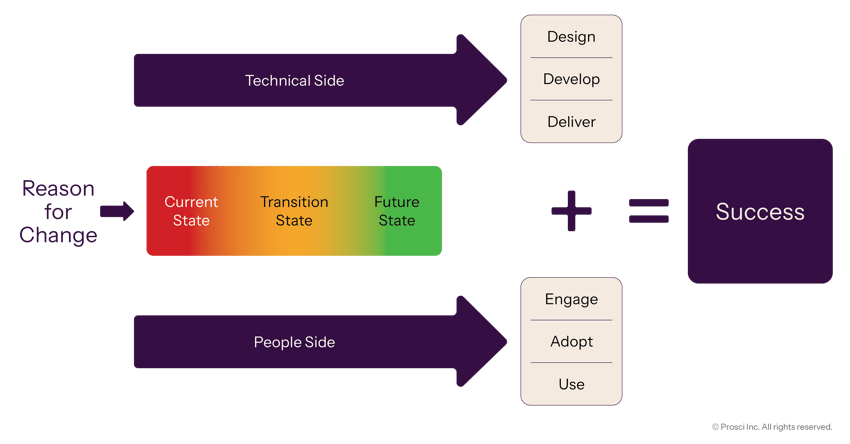
This unified approach ensures seamless integration, improves adoption rates, and strengthens resistance prevention. It demonstrates clear value and alignment with organizational goals.
4. Comprehensive training and support
Comprehensive training and support are essential for organizations aiming to become more adaptable and eager to embrace change. By focusing on building employees' knowledge and skills, and providing access to necessary tools and resources, organizations can foster a supportive atmosphere that enhances the success of change initiatives.
Tailored training programs that align with structured change management models like the Prosci ADKAR® Model, ongoing support through coaching and mentoring, and involving change agents to facilitate learning are just some ways in which you can support employees.
5. Leadership and sponsorship
Active and visible sponsorship is the top contributor to change success. Leaders must champion the change, model desired behaviors, and build coalitions of support to reinforce the message across the organization.
You can also use our high-level resistance checklist to align with change management best practices and prepare to help your team embrace upcoming changes.
7 Tips for a Holistic Approach to Managing Resistance to Change
Effectively managing resistance to change requires a proactive and thoughtful approach. Our proven strategies focus on anticipating challenges, fostering engagement, and building trust to create smoother transitions. Here are seven essential tips:
1. Anticipate and prevent resistance
Identify potential resistance points early by assessing change readiness and analyzing past change initiatives. Use this information to prepare targeted strategies for addressing concerns before they escalate. Planning ensures you are ready to handle resistance proactively.
2. Engage and involve stakeholders
Involving affected people in the change process fosters a sense of ownership and commitment. Invite feedback, hold open discussions, and make sure employees feel their voices are heard. Active participation reduces feelings of exclusion and strengthens alignment with the organization’s goals.
3. Use a variety of resistance managers
It’s not enough to only engage and involve stakeholders. Leaders should also champion the change as sponsors. They can build coalitions of support with other sponsors to show unified support for the change and model desired behaviors. People managers also play an important role because employees prefer to get personal messages about change from their supervisors. Employees are more likely to support change if they see their managers and top-level leaders all demonstrating their own support.
4. Address the root causes of resistance
Even with effective resistance prevention, some resistance behaviors may arise or persist. In these cases, it's important to use empathy and focus on addressing the root causes rather than simply trying to contain or suppress it. In addition to lack of awareness, resistance can stem from fear of personal impacts. Leaders should focus on providing support, training and resources to help employees navigate the change and understand how it will affect their roles.
Rather than imposing solutions, change managers should engage in two-way dialogue with employees. This approach fosters greater ownership and commitment to the change.
Resistance is dynamic and can evolve over time. Leaders should stay flexible and adjust their strategies in response to ongoing feedback, adapting the approach to the needs and concerns of different groups within the organization.
5. Create cultural alignment
Aligning the change initiative with the organization’s culture and values helps ensure that the transition feels natural rather than disruptive. Recognizing and rewarding employees who embrace change encourages others to follow suit.
6. Communicate transparently
Clear, honest and consistent communication is key to addressing resistance. Answer the “What’s in it for me?” (WIIFM) question to help employees understand the personal and organizational benefits of the change. Be sure to use preferred senders, too—employees want to hear business-level messages from executives, not their direct supervisors or change managers.
7. Provide support and training
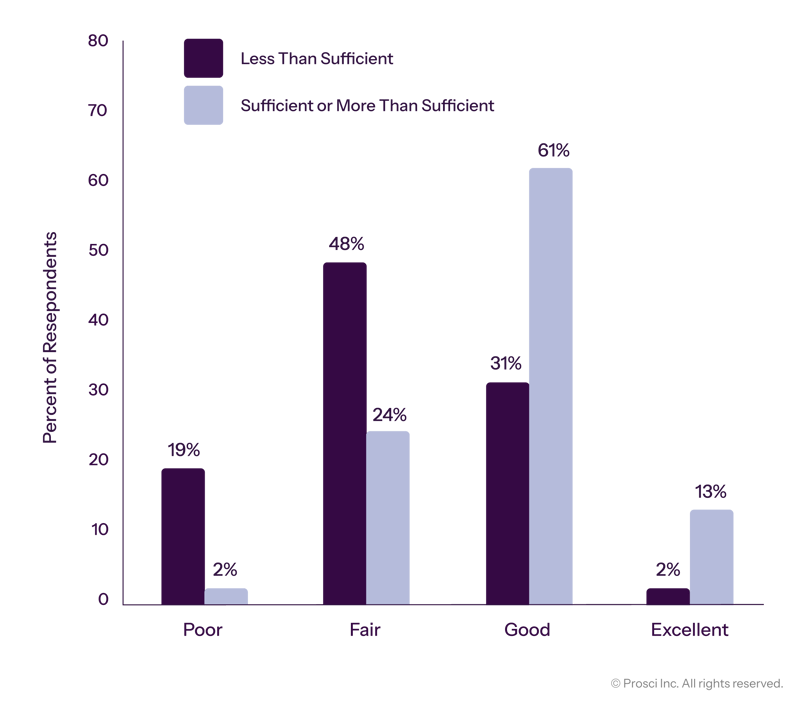
Equip employees with the skills, knowledge and resources they need to succeed in the new environment. Comprehensive training and ongoing support enhance confidence and capability, reducing resistance over time. Having insufficient resources correlates with ineffective change management.
Relationship Between Sufficient Resources and Change Management Effectiveness
How Prosci Can Help Manage Change Resistance Effectively
Prosci offers a comprehensive suite of resources, tools and training programs designed to help organizations address resistance to change. By combining research-based strategies with expert guidance, Prosci empowers teams to navigate change confidently and effectively. Here’s how:
Methodology and tools
The Prosci Methodology is a structured, adaptable and repeatable approach designed to enable the people side of change, ensuring successful organizational transformations. Central to this methodology are the Prosci ADKAR Model and the Prosci 3-Phase Process, which work together to guide practitioners through the complexities of change management.
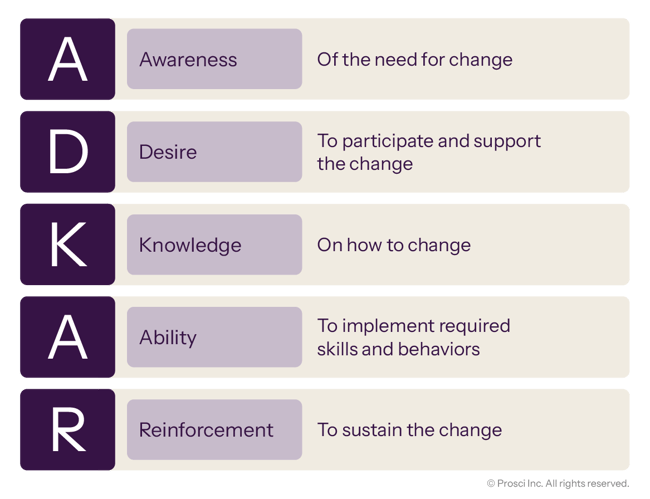
The Prosci ADKAR Model provides a clear framework to address resistance throughout the individual change journey. By focusing on Awareness, Desire, Knowledge, Ability and Reinforcement, the model helps identify and resolve resistance systematically, creating a more proactive and preventative approach to change management.
The Prosci 3-Phase Process integrates resistance management into every stage of change. From preparing the approach to managing implementation and sustaining outcomes, this structured process enables organizations to anticipate resistance and mitigate it proactively. The shift from top-down management to leader-as-facilitator is fundamental in this process. It creates an environment of psychological safety, where employees are more willing to voice concerns and engage in solutions rather than resisting the change.
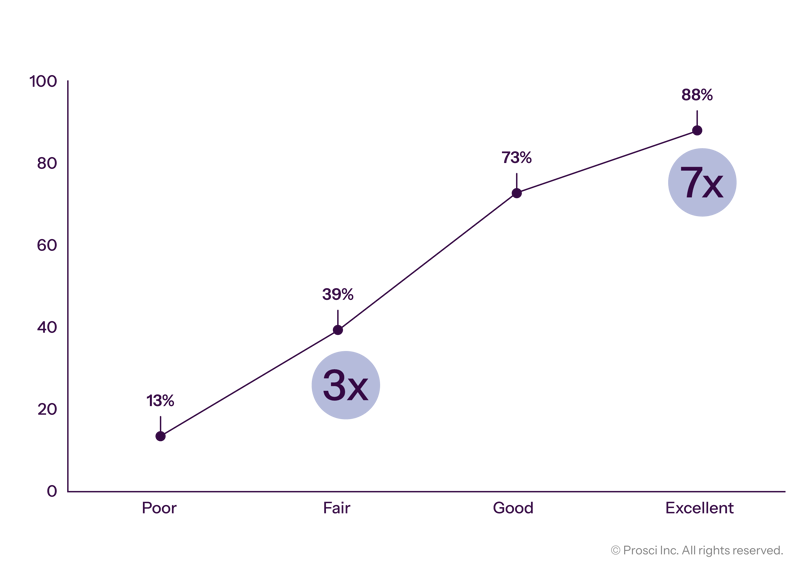
The success of any change initiative is closely tied to how well organizations manage resistance through effective change management approaches. Our research consistently shows that organizations that apply excellent change management are more likely to meet their project objectives, including staying on schedule, staying within budget, and achieving the desired outcomes. By shifting the focus from reaction to prevention, organizations can create a more supportive environment for change, ensuring that resistance does not become a barrier to progress.
Correlation of Change Management Effectiveness With Meeting Objectives
Training and resources
Our training programs equip change practitioners with the skills to address resistance effectively, focusing on both prevention and response strategies. From foundational courses to advanced certifications, these programs enable teams to drive successful outcomes, whether they are dealing with minor concerns or entrenched resistance.
Access to Prosci’s Knowledge Hub offers a wealth of resources for preventing resistance, including case studies, best practices, and research-backed strategies to support resistance management efforts. These resources emphasize empathy and understanding, highlighting the importance of addressing resistance with respect and collaboration rather than trying to "overcome" it. By leveraging these tools, organizations can build a culture of adaptability, reduce resistance early in the process, and ultimately achieve lasting success.
By promoting a culture of empathy, encouraging open dialogue, and focusing on proactive prevention, Prosci helps organizations manage resistance and build more resilient teams capable of thriving through change.
Understanding Resistance Through the Prosci ADKAR Model
Our ADKAR Model offers a structured approach to understanding and addressing resistance to change. It focuses on five key elements: Awareness, Desire, Knowledge, Ability and Reinforcement. People experiencing change need to achieve each element before they can successfully adopt a change. Each element addresses specific challenges and needs specific solutions.
Prosci ADKAR Model
Awareness
Resistance most often begins with a lack of awareness about why the change is happening. People may exhibit resistance behaviors if they don't understand the rationale or perceive the change as unnecessary. To address this, communicate clearly and consistently about the reasons for the change, its benefits, and the risks of maintaining the status quo. Through this transparency, it’s easier to build lasting trust.
Desire
Even when employees understand the need for change, they may lack the personal motivation to support it. Desire is influenced by individual goals, fears and incentives. Leaders can build the desire to change by addressing the “What’s in it for me?” (WIIFM) question, aligning the change with personal and team benefits, and fostering a sense of inclusion and ownership.
Knowledge
Resistance can also stem from a lack of knowledge about how to adapt to the change. Employees may feel unprepared or overwhelmed by new processes or systems. Providing targeted training, detailed instructions, and comprehensive resources equips employees with the skills and understanding necessary to move forward confidently.
Ability
Even with knowledge, employees may struggle to implement new behaviors or skills. Resistance at this stage often reflects a lack of confidence or practice. Supporting employees with coaching, resources and feedback can bridge this gap.
Reinforcement
Without reinforcement, it’s easy to go back to old habits. Recognizing and rewarding progress, and addressing lingering challenges, ensures that people can adopt changes for the long term.
Our ADKAR Model helps leaders and practitioners understand and address resistance at every stage of their team’s change process.

Activating Key Roles for Resistance Management
Effective resistance management requires active participation from key roles within the organization. By aligning leadership, managers and teams, organizations can foster collaboration and ensure smooth transitions. Below are the critical roles and how they contribute to managing resistance:
Setting the vision and direction
Leaders play a vital role in defining the vision for change and ensuring it aligns with organizational goals. Clearly articulating the "why" behind the change creates a shared sense of purpose. By explaining the objectives and benefits, leaders can address employee concerns and build commitment. The shift from top-down leadership to facilitative leadership means that leaders must actively engage with employees at all levels, creating an atmosphere of trust and collaboration.
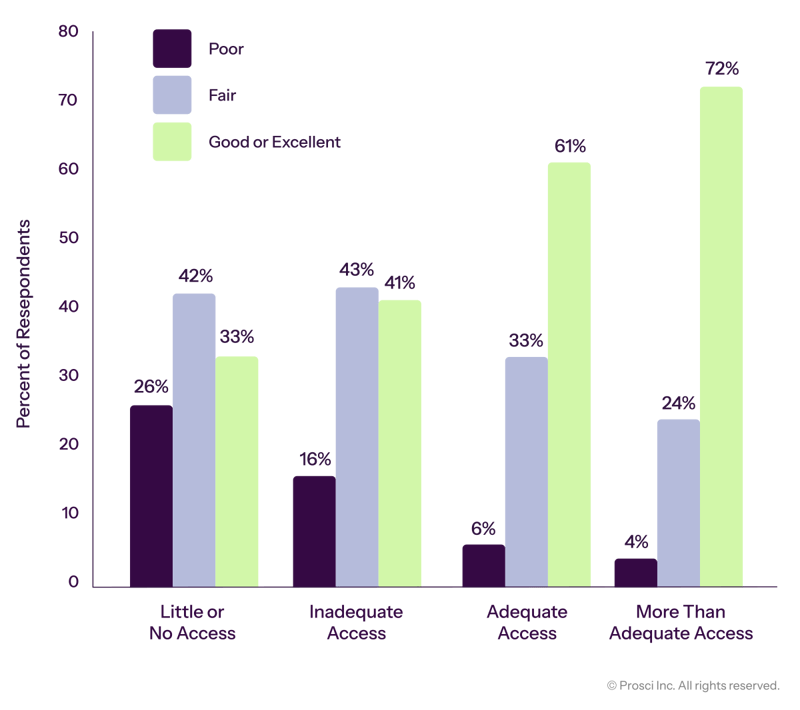
Correlation of Sponsor Access and Change Management Effectiveness
Active and visible sponsorship
Sponsors are essential for modeling the change and influencing its adoption. They should actively participate in key project events, such as town hall meetings and training sessions to demonstrate their commitment. Leaders and sponsors must model the behavior they expect from others by staying calm, empathetic, and open to feedback. Engaging sponsors in informal settings, such as "management by walking around," allows them to connect directly with employees, address concerns, and gather feedback. One-on-one meetings are another, more formal way for sponsors to engage.
Empowering and supporting teams
The management team is on the front line of the resistance management process, acting as a bridge between leadership and employees. Empathy and understanding should be at the heart of a leader’s approach to resistance. Rather than assigning blame or viewing resistance as a problem to be solved, leaders and managers should approach people with curiosity, listening carefully to their concerns and addressing them constructively.
Empowering managers with the tools, authority and information they need helps them address resistance behaviors and concerns effectively. Managers should provide support by listening to their teams, offering guidance, and reinforcing key messages.
Building long-term readiness
To sustain change, organizations must foster a culture of adaptability. You can achieve this by creating ongoing training and development opportunities, which prepare employees for future changes. Recognizing and rewarding individuals who champion change reinforces desired behaviors. Additionally, establishing feedback loops—such as surveys or forums—creates a space for employees to share concerns and feel valued.
Collaborating across roles
Each role within the organization plays a part in resistance management. Leaders inspire and guide, sponsors advocate and drive momentum, and managers empower and support teams. Together, these roles create a network of accountability and encouragement that helps minimize resistance.
With team members in various roles fully engaged in the change process and collaborating, you can start building a lasting culture of change readiness and acceptance.
How to Know You Have Managed Resistance to Change Management
Successfully managing resistance to change is evident through measurable outcomes and observable behaviors. By monitoring key indicators, organizations can assess the effectiveness of their resistance management strategies and ensure sustainable adoption of change. Here’s how to recognize success:
Indicators of reduced resistance
One of the clearest signs of effective resistance management is increased employee engagement. When resistance diminishes, employees are more likely to participate in change-related activities, share feedback, and collaborate on initiatives. Positive feedback from employees and stakeholders further signals that the change is understood and accepted.
Achievement of change objectives
Meeting change milestones and achieving intended objectives demonstrate that resistance has been addressed. For example, successfully implementing new processes, tools or systems reflects reduced barriers to adoption. Additionally, realizing the projected benefits of the change—such as improved productivity, efficiency or morale—shows that employees have embraced the transition.
Sustained behavioral changes
Consistent use of new processes and sustained changes in behavior are strong indicators of successful resistance management. Employees adopting new habits and routines, and not reverting to old practices, shows their commitment to the change. Reinforcement, such as recognizing and rewarding desired behaviors, plays a critical role in ensuring these changes are maintained over time.
Remember, well-managed change resistance doesn’t mean silence. There are clear indicators to look for, including change success and long-term behavioral changes. When you start seeing those, you’ll know you’re on the right track for a culture of change done right.