
5 Mins
Published: October 20, 2025



Successful change depends on people, and when people disengage, even the best-designed change management plans falter. Employee disengagement can undermine organizational transformations, eroding trust, delaying adoption, and increasing resistance to change. At the same time, poorly managed change can be a key driver of disengagement, leaving employees feeling disconnected and uncertain. In this article, we’ll explore employee disengagement and its impact on individuals, organizations, and change initiatives.
What is Employee Disengagement?
Employee disengagement refers to a state of emotional detachment from one’s job, often leading to a loss of motivation, connection, and enthusiasm that drive employees to contribute to their organization’s success. Disengagement can range from low energy to increased absenteeism and negativity that impacts an individual’s teammates and the overall workforce.
When employees no longer feel aligned with their organization’s vision, supported by their leaders, or motivated to do their job, their effort diminishes. For organizations navigating change, disengagement poses a significant risk, as even well-laid change initiatives can fail when employees don’t engage during a transition.

Causes of Employee Disengagement
Employee disengagement often develops over time as employees experience contributing factors that weaken their ties to the organization. Common causes of disengagement include:
- Unsuccessful change – Frequent or poorly managed changes can create uncertainty and anxiety among employees, leading to disengagement.
- Lack of recognition and appreciation – Employees who do not feel valued or recognized for their contributions are more likely to disengage from their work.
- Poor leadership and management practices – Ineffective communication, inconsistent expectations, and limited support from leaders and managers erode trust.
- Unclear role expectations – When employees are unsure of their roles or the expectations set for them, it can lead to confusion and frustration.
- Limited growth and career development – Employees who see no path for advancement or professional growth may feel stagnant and unmotivated.
- Burnout and workload imbalance – Excessive workloads and high-stress environments can lead to burnout, which significantly decreases engagement.
- Misalignment between values and company culture – When an employee’s personal values conflict with their organization’s culture, their desire to engage may decrease.
Typically, employees experience a combination of one or more causes of disengagement before they start to pull away from their responsibilities.
Signs and Symptoms of Disengaged Employees
Since employee disengagement often builds gradually, leaders might not always recognize it until performance and morale suffer, or a change initiative stalls. By identifying the early warning signs, organizations can re-engage employees before disengagement spreads. Some common signs to watch for include:
- Decreased productivity and performance – Disengaged employees often do the minimum required to get by, which can manifest in reduced output, slower response times, and subpar work quality. This decline is not only present at the individual level, but it can also impact team performance.
- Higher absenteeism and attrition or turnover – When employees feel disconnected and lack commitment to the organization, teams may see higher rates of absence, or worse, voluntary attrition or turnover. Rising attrition rates can be a clear signal of underlying disengagement.
- Lack of initiative – Disengaged employees avoid taking ownership and don’t volunteer outside of their core tasks. Rather than seeking opportunities to contribute new ideas or fix processes, they may overlook issues altogether.
- Low participation in team activities – Declining involvement in meetings, collaboration, or social events can be a sign of emotional withdrawal. For example, employees who were once active contributors may become passive observers, signaling reduced commitment to the team and organization.
 What are the Impacts of Employee Disengagement?
The impacts of employee disengagement extend beyond the individual employee, altering an organization’s workforce and culture. Organizations with disengaged employees experience short and long-term negative impacts, including:
Financial impact on the organization
Employee disengagement has a direct impact on productivity, quality of work, and employee retention. Gallup reported that employees who are not engaged or are actively disengaged cost the global economy $8.8 trillion in lost productivity. Not to mention that hiring and training new employees is costly to the organization’s bottom line.
Negative effects on workplace culture
The impact of employee disengagement ripples across the workplace. As disengaged employees show up with low enthusiasm and a lack of interest, they may unintentionally erode team morale and collaboration. Over time, this can create a toxic environment that creates a culture of complacency, resistance to change, and reduced trust. Even engaged employees may leave to find a more positive work environment.
Decline in customer satisfaction and loyalty
Disengagement doesn’t disappear based on who an individual is interacting with, meaning it isn’t limited to internal teams only. Disconnected and disengaged employees likely aren’t prioritizing high service quality and responsiveness in their customer interactions either. Not only does this impact customer perceptions and loyalty, but it can affect an organization’s brand reputation for many years to come.
Increased stress on engaged employees
Tasks, deadlines, and responsibilities don’t decrease when disengaged employees are on a team. As disengaged employees contribute less to their team and the organization, engaged team members often end up picking up the slack and taking on extra duties to fill the gap. This added stress and pressure can lead to burnout and further disengagement across the team.
Strategies to Address and Prevent Employee Disengagement
Preventing and reversing disengagement requires strong and intentional leadership efforts, effective communication strategies, and a culture that supports individuals through stages of change and transition. When employees feel seen, supported, and equipped to succeed, they’re more likely to remain engaged and committed to their organization’s work, leading to lower levels of attrition.
Let’s look at some strategies for addressing and preventing employee disengagement:
1. Strengthening leadership and management skills
Leadership involvement is vital for employee engagement. When leaders communicate effectively, set clear expectations, and demonstrate empathy, they foster trust and alignment among their teams. Strong leadership helps employees understand the organization’s vision and their role in achieving it. In particular, people managers play a significant role in influencing the behaviors and mindsets of their employees, especially during times of change.
2. Enhancing employee recognition programs
Recognition reinforces the connection between individual effort and organizational success. Regular and authentic appreciation, such as public acknowledgement in meetings or rewards in performance evaluations, can motivate employees. Leaders should celebrate successes, big and small, to reinforce positive behaviors and attitudes that reflect the culture they want to create.
3. Offering professional development opportunities
Employees are more engaged when they see opportunities to learn and grow. Providing access to training, mentoring, and career pathways builds capability and demonstrates the organization's commitment to its people’s long-term success.
This includes providing adequate training when introducing new systems, processes, and technologies, so that employees can acquire the necessary skills and knowledge to adapt to changes. This can boost employee engagement, with seven in ten people saying that learning improves their sense of connection to their organization.
4. Encouraging work-life balance and wellness
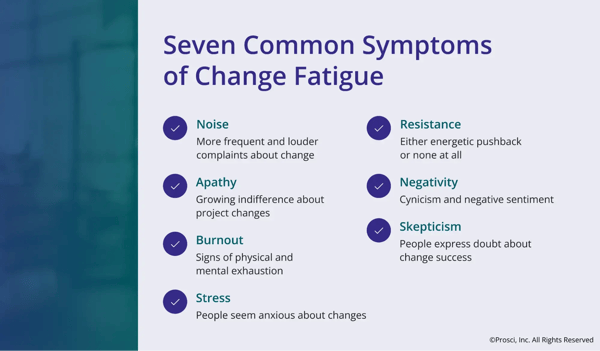
Supporting reasonable workloads, offering flexibility, and prioritizing wellness help prevent burnout and sustain energy, focus, and motivation, all of which lead to increased engagement and productivity. Being mindful of signs of change fatigue, including noise, apathy, burnout, stress, resistance, negativity and skepticism, can help leaders spot opportunities to course-correct and take strategic action.
5. Building a transparent and inclusive culture
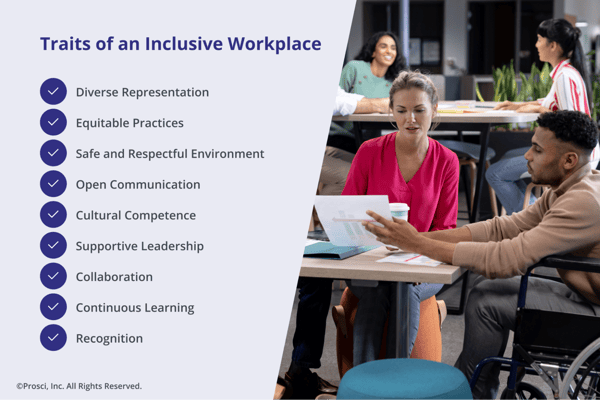
Workplace culture reflects the collective attitudes and behaviors of employees. Creating inclusive cultures with diverse representation, open communication, cultural competence, supportive leadership, and other traits that foster a sense of respect and support among employees can facilitate employee engagement.
Best Practices to Re-Engage Employees and Prevent Employee Disengagement
Today’s most effective organizations put employee engagement at the center of how they lead, communicate, and manage change. Consider the following best practices for preventing employee disengagement and building a strong culture:
- Make employee engagement a continuous effort – Employee engagement isn’t a one-and-done activity. Businesses must prioritize it continuously through regular check-ins, transparent status updates, and gathering and responding to feedback to maintain trust and connection.
- Align employee engagement with business strategy – When organizations link engagement to strategic goals and change initiatives, employees are more likely to understand how their work contributes to success and fits into the bigger picture. On the other hand, strategic misalignment can result in wasted resources, missed opportunities, and an inability to achieve key business objectives.
- Empower employees to contribute ideas – Involving employees in shaping solutions and decisions during change creates ownership and buy-in. Empowered employees are more likely to adopt changes rather than resist and disengage.
Addressing Employee Disengagement to Build a Better Culture
Behind stalled change initiatives and declining productivity efforts, employee disengagement plays a significant yet often overlooked role. When organizations identify and address employee disengagement early on, they build resilience and readiness for change.