Enterprise
3 Mins
Organizational culture is the foundation of a thriving company. Whether your employees embrace the current culture or not, changing the workforce culture can be challenging. To guide them through the transformation, organizations need a structured approach to change management that speaks to the human side of change. Employees who are connected with their organization's culture are four times more likely to be engaged at work. They're also less likely to suffer from burnout or seek new job opportunities. But people may fear and resist a cultural transformation that shifts their core values, beliefs and behaviors at work. In this article, we explain what a culture transformation is and why organizations need it. We also provide nine actions to help you implement new values and beliefs using change management. What Is Culture Transformation? Organizational culture is the shared set of values, norms, beliefs and practices that shape how employees interact, make decisions and approach their work. It’s the behaviors and attitudes that define your organization's identity and influence its operations. A culture transformation is a fundamental shift in your workforce’s values and behaviors. It aligns these behaviors with business goals, increases engagement and enhances overall performance. There are many reasons for a culture change, including Diversity, Equity and Inclusion (DE&I) initiatives, mergers and acquisitions, and corporate restructuring. A successful culture transformation should enhance your organization’s agility and adaptability. It should also improve employee morale and resilience so your company can provide a better product or service. Cultural transformations are complex initiatives that aim to change deeply ingrained work habits, such as communication styles, collaboration methods and leadership approaches. If poorly managed, they can lead to a misaligned or toxic workplace with disengaged employees, high turnover and poor financial outcomes. To succeed in implementing a positive cultural shift, cultural transformations need careful management and a well-designed approach. That’s where effective change management comes in. People-centric change management positively impacts employees across cultural metrics, including a 75% decrease in burnout and a 25% decrease in anxiety. And a successful culture transformation offers many more benefits to the workforce and the organization. The Benefits of Culture Transformation A well-executed culture transformation that realigns the workforce with business objectives can provide several advantages that turn your company into a thriving modern organization: 1. Enhance employee engagement A cultural transformation can create a positive culture where employees feel valued, heard and empowered. You can increase employee engagement and morale by developing inclusivity and transparency. Engaged and involved employees are more productive and motivated to contribute to organizational success. 2. Align strategy and execution When your employees understand and embrace the "why" behind their work, they’re better equipped to execute strategic plans for business success effectively. A resilient and strong culture acts as a stabilizing force that helps your organization weather crises, adapt to change, and remain relevant. 3. Develop adaptability Cultural shifts can improve adaptability so your organization can pivot in response to market disruptions, technological advances or sudden challenges. Developing a company culture that values continuous improvement helps equip employees to embrace change and solve problems. 4. Improve collaboration A transformed culture can break down silos and promote a sense of community. In this new work environment, employees are more willing to share knowledge, support each other, and drive better overall business outcomes. 5. Drive innovation and creativity When your organization can remove barriers to innovation, like fear of failure or rigid hierarchies, it unlocks employees' creative potential and encourages them to voice breakthrough ideas. Taking calculated risks is crucial for innovation, can improve processes, and provides a competitive edge. Fostering a culture of psychological safety and innovation allows each team member to take those risks without fearing negative consequences. 6. Attract and retain top talent Workplace culture is equally important as salary and benefits for today's employees and candidates. A vibrant and inclusive culture attracts top talent and increases employee retention rates. In fact, people who strongly agreed with the statement "I feel connected to my organization's culture" are 43% less likely to look for new jobs. 7. Increase customer satisfaction A positive workplace culture often reflects externally in better customer experiences. Engaged employees can deliver consistent, high-quality service that increases customer trust and loyalty. A successful cultural transformation creates an inclusive and innovative environment that enhances operational efficiency and delivers excellent customer experiences. But, these benefits largely depend on how successful you are at implementing your cultural transformation. 9 Key Actions to Execute a Successful Culture Transformation Cultural transformation is a comprehensive change management process that requires deliberate planning, execution and consistent reinforcement. Success depends on how effectively change is managed to align with strategic objectives. Here are nine actions to help implement a cultural transformation: 1. Assess the current culture Start your culture transformation by understanding where your organization currently stands. Evaluate existing cultural values to identify strengths, weaknesses, and misalignments with your organization’s goals. Activities to assess the characteristics of organizational culture include: Use employee surveys, focus groups and interviews to collect feedback and information. Analyze metrics like turnover rates, employee engagement scores, and customer satisfaction data. Benchmark your culture against industry standards or competitors to identify gaps. To get accurate and relevant information, you need effective communication strategies. These help employees understand that their feedback drives meaningful improvements. Understanding the current cultural landscape will also help define your change management approach. In the Prosci Best Practices in Change Management study, 87% of participants said it is important or very important to understand organizational culture. Importance of Organizational Culture Awareness For example, a culture of low assertiveness can make it harder to get the transparent feedback you need to create effective change strategies. To mitigate this, change practitioners can proactively implement tactics to encourage direct feedback and gather valuable insights. 2. Define the desired culture Articulate the culture you want to create. The desired culture should align with your organization's mission, vision and strategic goals. Here, change practitioners work with leadership teams to determine the desired corporate culture. They use the Prosci Change Triangle (PCT) Model to focus on the four key aspects of a change initiative—success, leadership/sponsorship, project management and change management—and how they relate to achieving positive results. Your organization can use the PCT Model to help senior leaders and key people impacted by the change understand their role in the transition and form a shared definition of success. Prosci Change Triangle (PCT) Model This definition of success includes the reason for changing the corporate culture and the new culture’s benefits and objectives. Defining these aspects helps create a vision of the desired state that aligns with the business strategy. 3. Secure leadership commitment Leadership plays a pivotal role in culture shifts. Leaders or sponsors model the desired behaviors and attitudes, which motivates others to follow in their footsteps. They also provide the foundation for a successful organizational culture transformation by allocating resources and funding. Our research has consistently found that effective sponsorship is the top contributor to change success. Contributors to Success Over Time Change management activities for engaging sponsors can turn leaders into change sponsors who effectively understand and fulfill their roles as change advocates. Good sponsors champion the cultural transformation, make crucial decisions, and regularly communicate with the change management and project teams to ensure alignment throughout the transition. 4. Develop a structured change management strategy Cultural transformation is a long-term process that requires a structured approach to manage change effectively. Without a defined approach, change teams will struggle to stay on track. A well-defined change management strategy, as part of a comprehensive approach like the Prosci Methodology, helps you allocate adequate time and resources to important activities. It also gives you room to identify and address gaps throughout the culture project’s lifecycle. The Prosci Methodology is a detailed, structured approach to managing the people side of change. It includes three main components: the PCT Model, the ADKAR Model and the 3-Phase Process. The Prosci 3-Phase Process specifically focuses on creating and executing a detailed strategy for culture change at the organizational level. 3-Phase Process for Culture Transformation With a structured framework for strategy, change teams and business leaders can clearly map out the steps in the cultural transformation process, assign roles and responsibilities, and proactively identify and address challenges to create a smooth transition. Throughout the 3-Phase Process, you create Change Management Plans, including the Communications Plan, Training Plan, Sponsor Plan and People Manager Plan, to address the key elements of a culture transformation. Using a concrete change management approach also makes processes and steps repeatable, so you can consistently and repeatedly manage different change initiatives across your organization. 5. Adapt communication strategies Communication strategies for a cultural transformation require a more nuanced approach than other types of change. That’s because cultural elements are deeply embedded in employee habits and behaviors. During a culture shift, communication must focus on building trust so your people embrace the personal shift in their work habits. The change team needs to adjust the tone, style, frequency and formality of key messages to resonate with the current culture. For example, in a formal culture, communication methods and messages can be structured and official, whereas a conversational tone might be more effective in a laid-back culture. Practitioners in the change team use a Communications Plan to match communication strategies with employee preferences. So, you can identify audiences, key messages, delivery channels, senders and frequency. Effective communications are consistent and transparent, and reinforce key messages about behavioral shifts during the organizational transformation. They should showcase the benefits of making the change. To build trust and inclusivity while changing the culture, communication must also be a two-way process where employees can openly share their concerns, ask questions and provide feedback. 6. Empower and engage employees Successful transformation requires your employees to personally adopt the new characteristics of organizational culture. If they're going to be successful, they need support. This means equipping them with the tools, knowledge and resources to change their behaviors, attitudes and mindsets. The Prosci ADKAR® Model is the ideal framework to engage with and support individual employees. It comprises five elements—Awareness, Desire, Knowledge, Ability and Reinforcement. These elements equip people with what they need to be successful throughout the change process, from understanding the reasons for change to adopting new behaviors for the long term. Prosci ADKAR Model Our ADKAR Model includes the ADKAR Blueprint, which practitioners can use to identify milestones, target dates and potential challenges. This helps with building change management plans for a smoother implementation. A crucial part of the ADKAR Model is the ADKAR Assessment, which helps practitioners discover the barriers to individual change. Empathizing with employees and understanding the potential reasons for resistance enables you to communicate with and reassure them, preventing resistance. 7. Measure progress and adapt Cultural transformation is an iterative process. During the culture shift, change professionals must regularly monitor progress and make adjustments to ensure long-term success. The PCT Assessment, a part of the PCT Model, is a tool that allows you to assess project health and performance at key milestones during implementation. The change team can identify risks and opportunities throughout the change process and then adapt their approach to increase the likelihood of success. You can also create specific key performance indicators (KPIs) and metrics to measure change. These metrics fall under three levels of performance—organizational performance, individual performance and change management performance. For example, individual performance measures how well impacted individuals adopt and use the change. At this level, a specific metric could be to measure the number of people using the new system weekly or monthly. By dividing the KPIs under these levels, you can simplify performance tracking and easily understand problem areas that need additional support or different strategies. 8. Align systems and processes Organizational systems and processes affect how people work and are impacted during a culture shift. To sustain the transformation, these elements must be aligned with the desired culture. Misaligned policies or practices can undermine progress and lead to resistance. Examples of systemic or process changes for a culture transformation include: Revising performance management systems to include cultural behaviors as key criteria. Ensuring hiring and onboarding processes emphasize cultural fit and values. Adjusting organizational and team structures to support new ways of working. Reinforcement is also vital for this alignment. Change teams must ensure that systems and processes consistently support the behaviors and values they want to see. 9. Reinforce the change The final action in the transformation process is to ensure that the new culture becomes a permanent part of the organization. This requires consistent effort to reinforce and evolve the culture over time. Reinforcing change ensures it realizes its full intended benefits over time. For example, when you instill a new inclusive workplace policy, reinforcement is crucial to help HR personnel implement this policy over time and for the entire organization to adhere to it on a daily basis. Without this reinforcement, HR teams and other employees might forget about the new practices or focus on only parts of them. So, while the initial change implementation may be successful, the culture change will ultimately fail to create a more inclusive workplace in the long term. Sustaining change is also cost-effective because it ensures that the new culture is embedded. Although sustainment can continue past initial activities, it prevents unnecessary spending on corrective activities due to poor adoption. It also builds a culture of continuous learning by providing a stable foundation for future innovation and improvement. This is essential for a resilient and thriving organization. You can create reward and recognition systems, celebrate milestones, implement corrective actions, and encourage feedback to reinforce a change for long-term success. Culture Transformation Success With Prosci A culture transformation has the potential to empower your employees, drive innovation, and align the workforce with business goals. But changing the core values, mindsets and habits of an entire organization isn’t easy. To be successful, you need commitment and a strategic change management approach that addresses human behaviors effectively. Our research-backed methodology and continued study of the discipline keep us at the forefront of change success. By implementing a structured and repeatable change strategy, like the Prosci Methodology, your organization can support and guide individuals throughout a culture shift and succeed with organizational change.







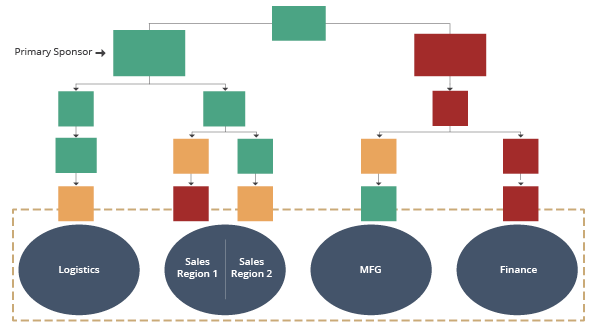 Prosci Sponsor Coalition Map